

Most people never think about dental labs until they need a crown, a denture, or a retainer. Behind every one of those is a lab full of skilled technicians quietly building the piece that goes in your mouth.
In this guide, we’ll walk through what do dental labs do, the kinds of products they make, how they work with dentists, and what to look for when choosing one.
What Do Dental Labs Do?
A Digital dental lab is like a tailor for teeth, not suits — every crown, veneer, or denture is custom-built to fit one specific person, and getting the shape, shade, and bite just right takes real craftsmanship.
The process usually starts when a dentist sends a case to the lab with impressions or digital scans, photos, shade info, measurements, and instructions. From there, technicians turn all of it into a finished restoration, choosing from materials like ceramics, metals, polymers, and composites depending on what’s needed.
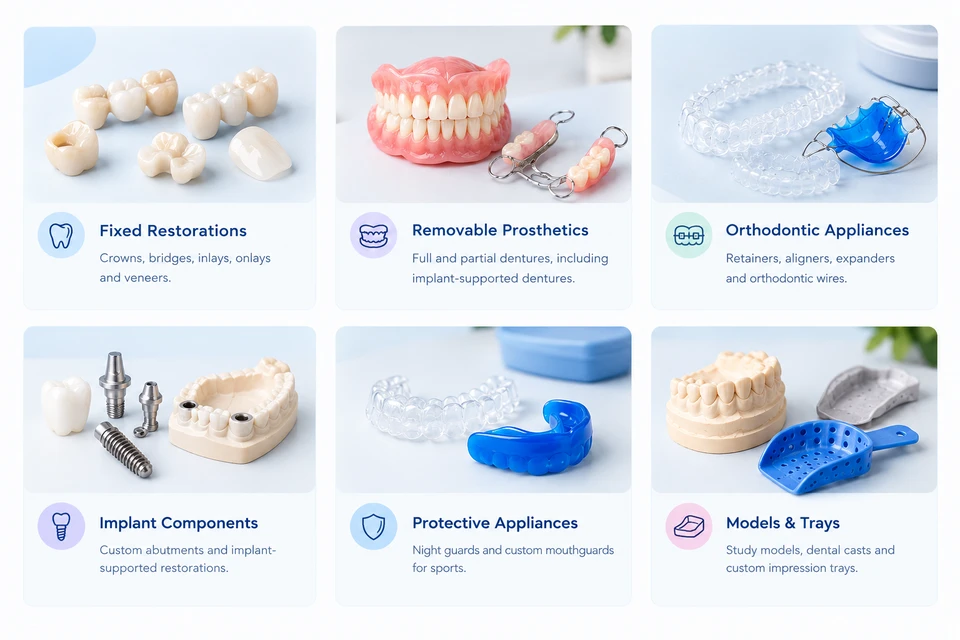
What Do Dental Labs Do In Terms Of Output? (Provided Products)
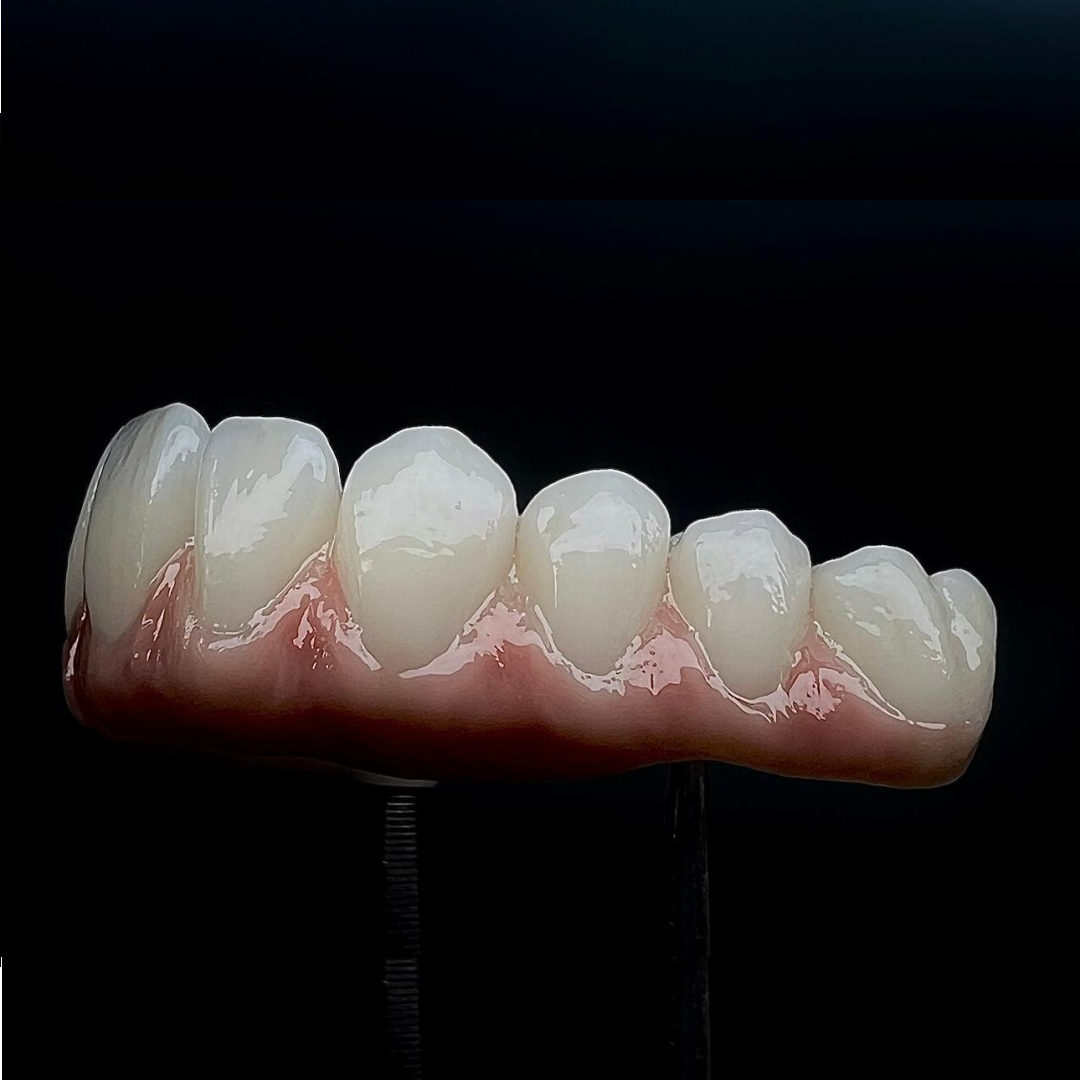
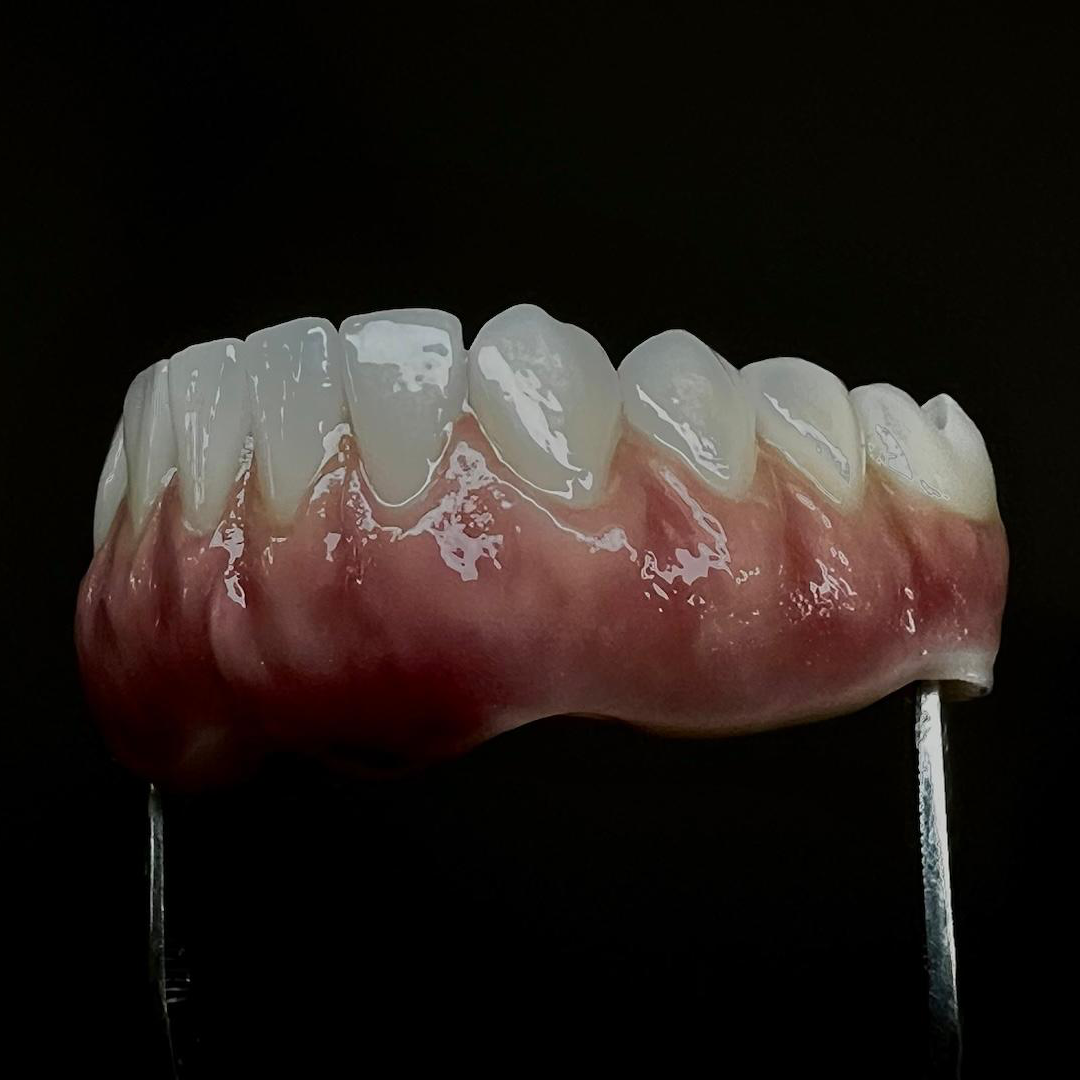
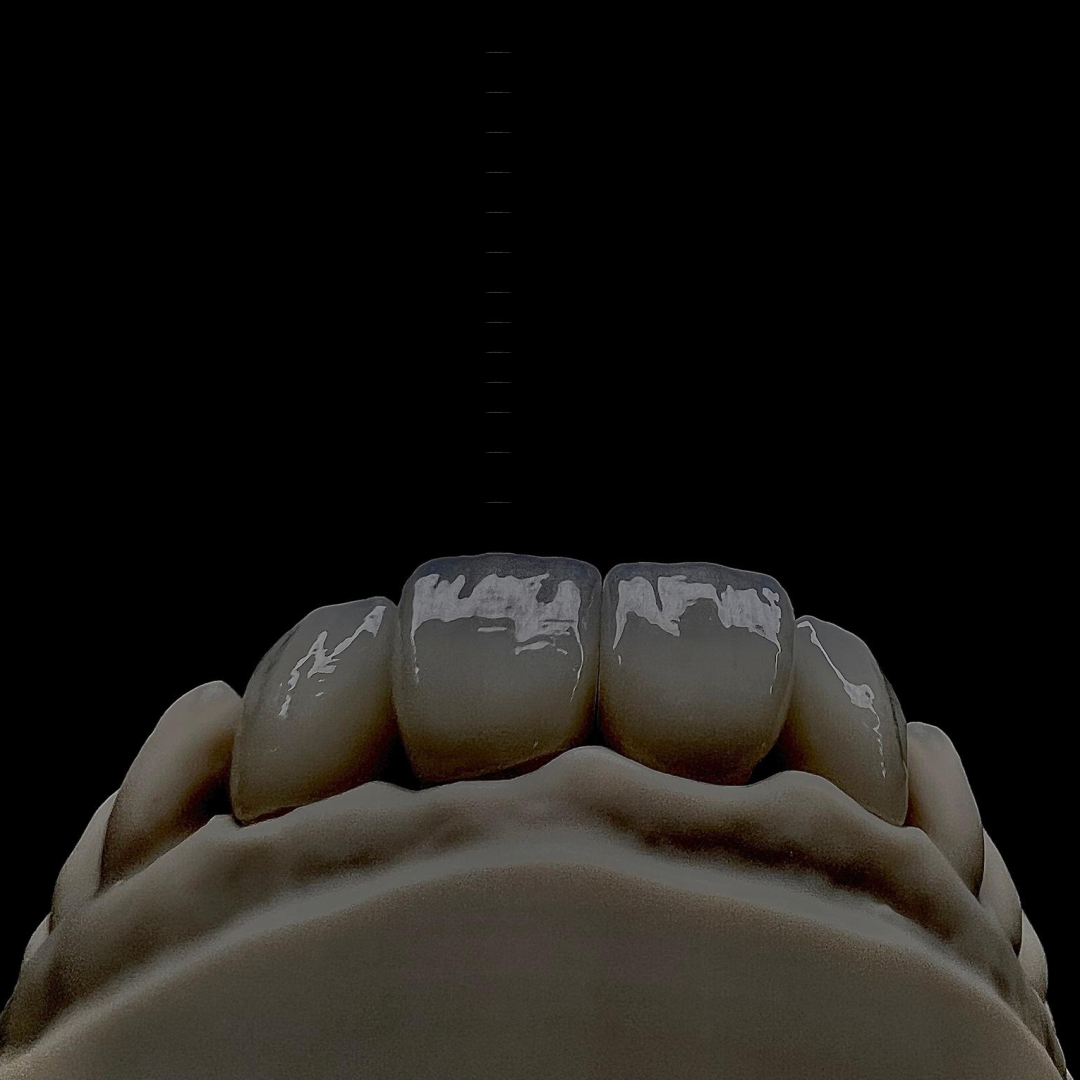
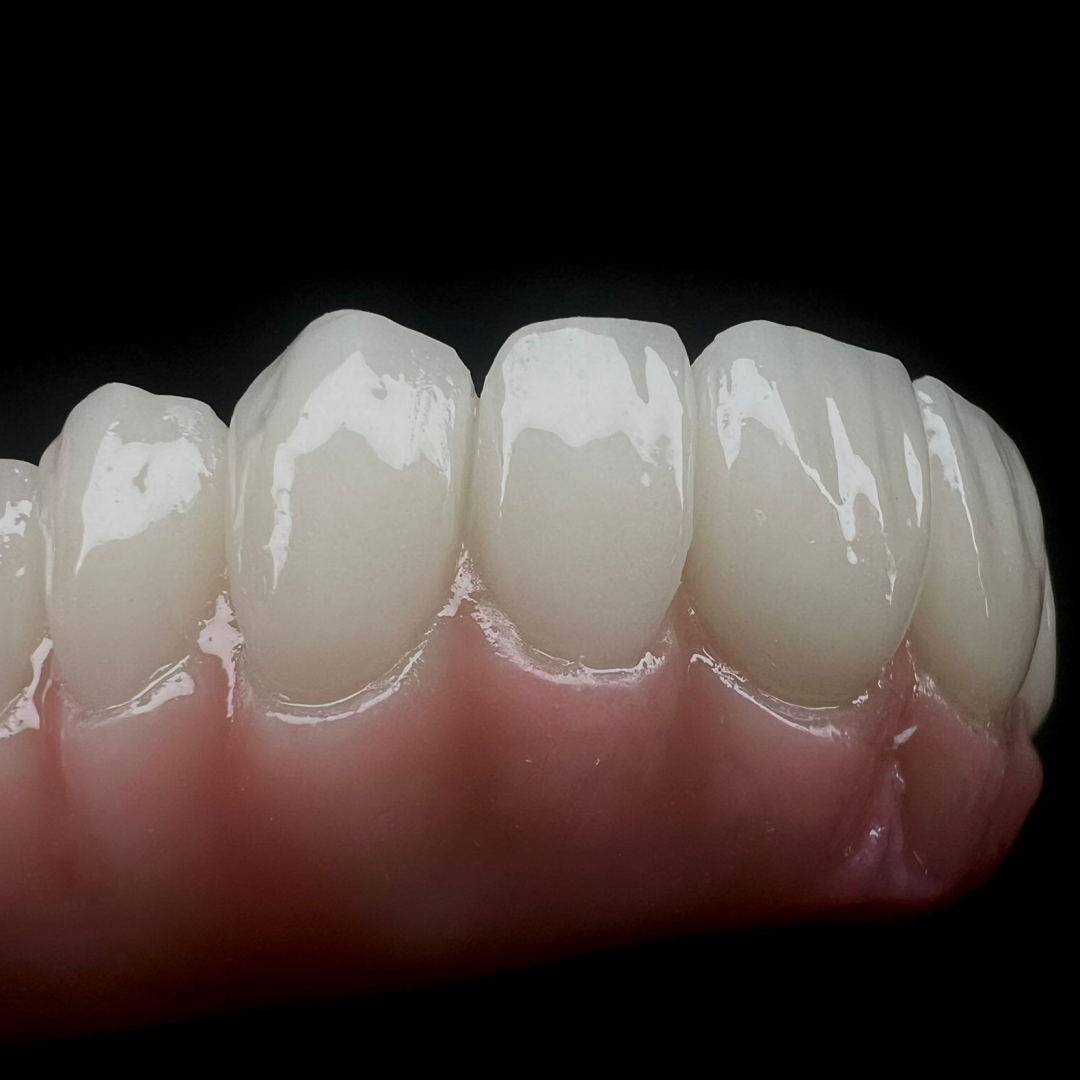
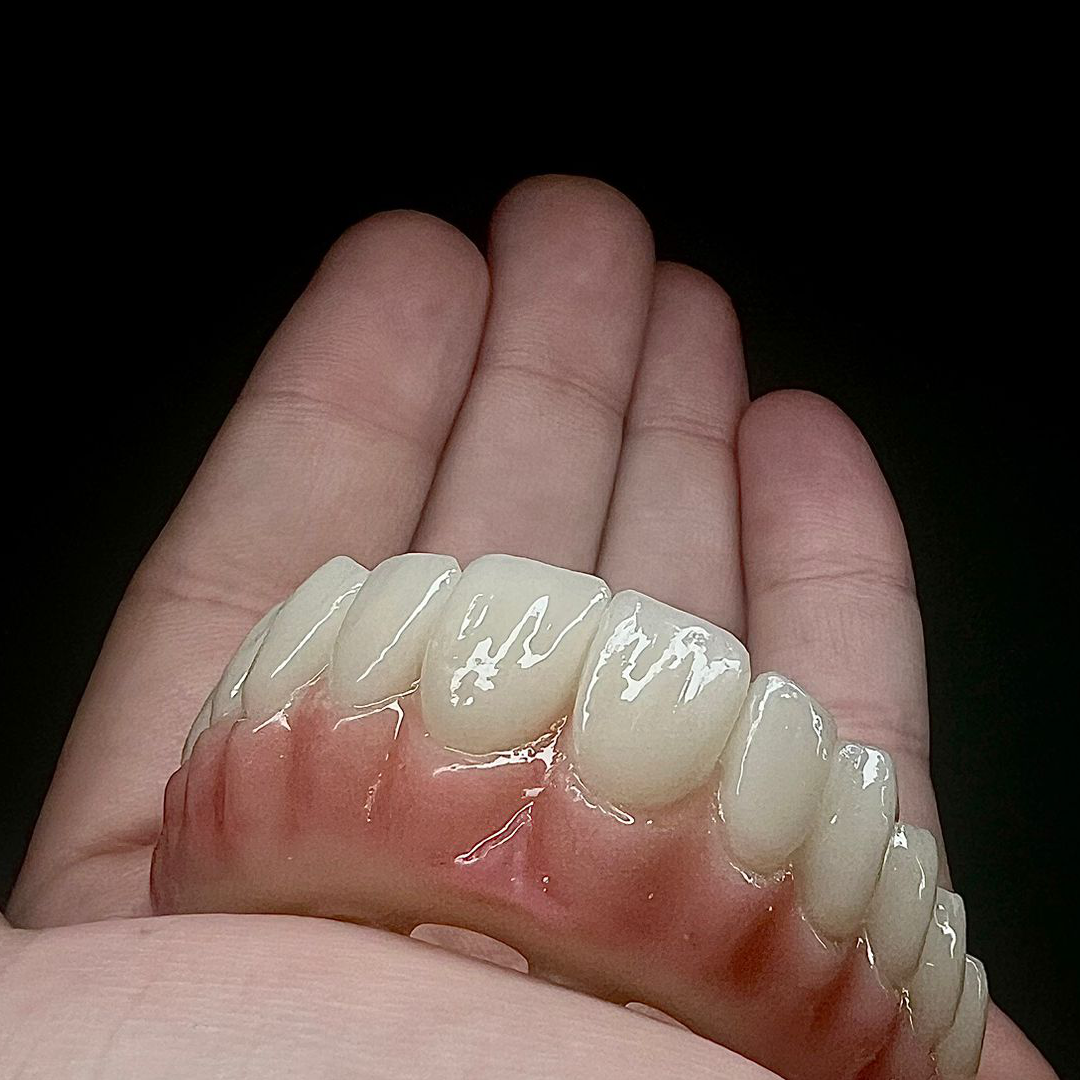
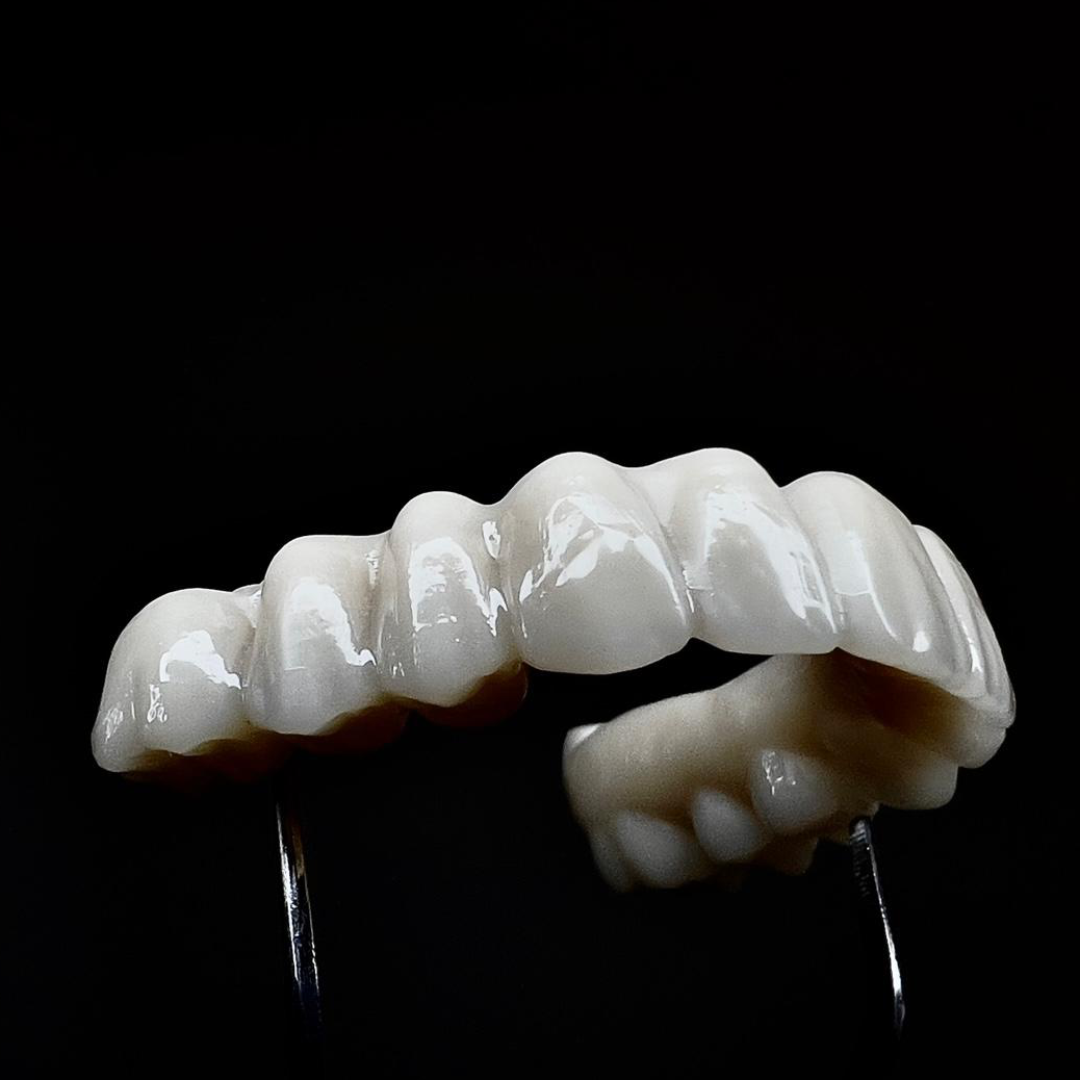
A dental lab makes just about anything that goes in your mouth and isn’t your natural tooth, including:
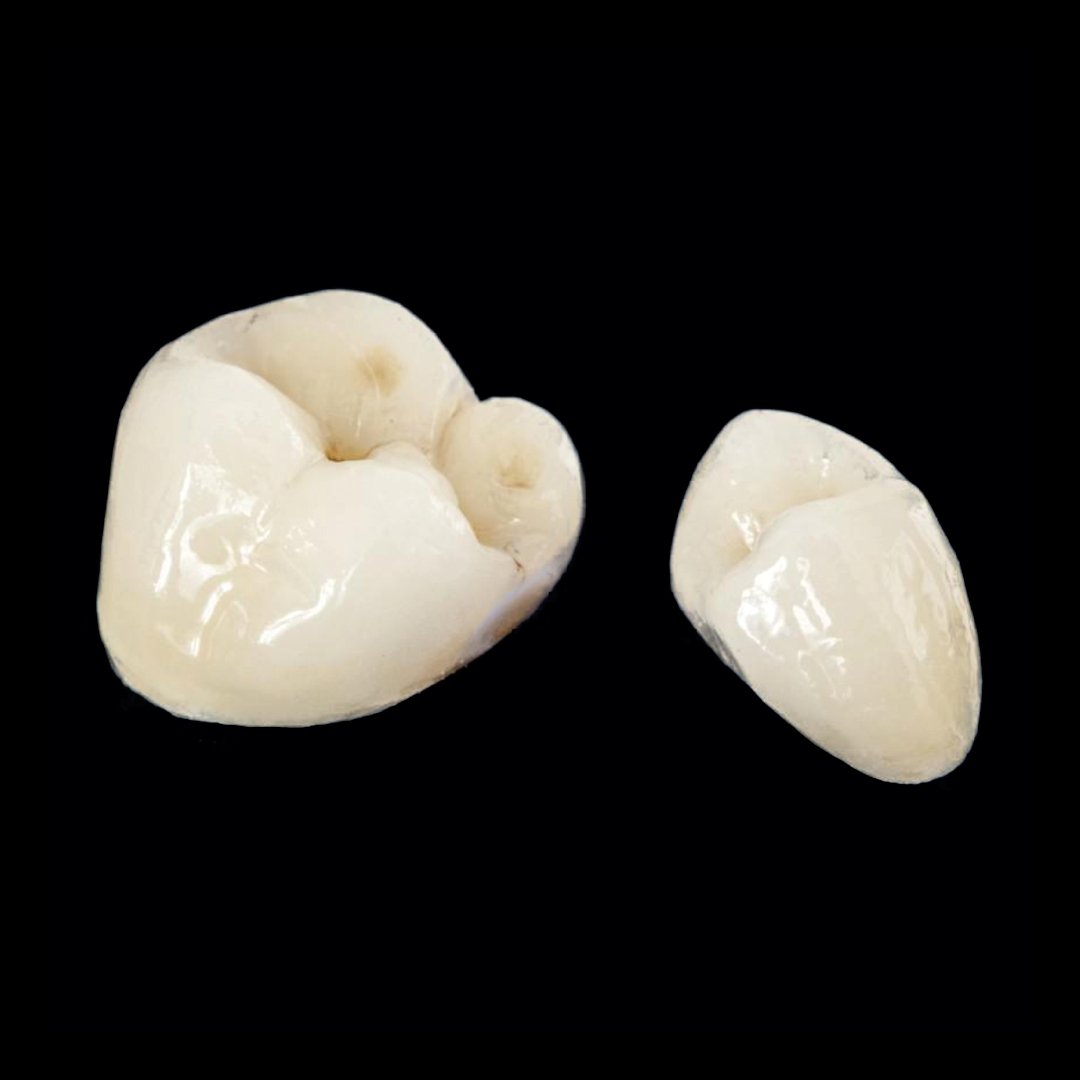
- Fixed restorations: crowns, bridges, inlays, onlays, and veneers that are cemented or bonded in place and don’t come out.
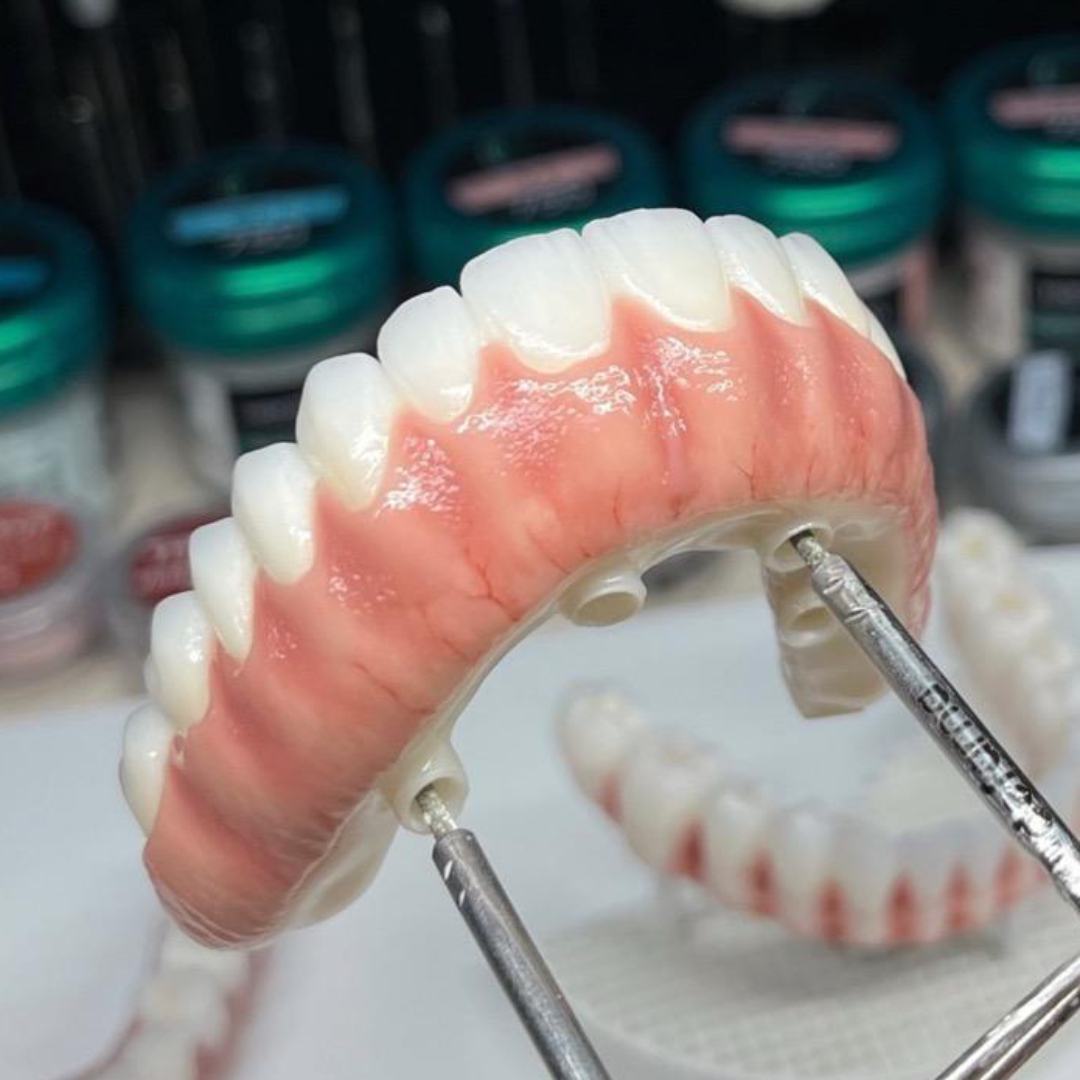
- Removable prosthetics: full and partial dentures, including implant-supported overdentures.
- Orthodontic appliances: retainers, aligners, expanders, and wires.
- Implant components: custom abutments and implant-supported frameworks.
- Protective appliances: night guards for grinding and mouthguards for sports.
- Models and trays: study models, dies, and custom impression trays.
If it’s custom-made for one specific mouth, there’s a good chance a dental lab built it.
How Do Dental Labs Work With Dentists?
Dental labs and dentists work as part of the same treatment process, with each professional handling a different part of the case.
Think of it as a partnership; the dentist handles everything inside your mouth, and the lab handles everything at the bench. Neither one can do the job alone.
A typical workflow looks like this:
- First, the dentist checks the patient and figures out what’s needed.
- Then, the dentist gathers case details (impressions, scans, photos, X-rays, shade info, whatever the lab needs).
- After that, the case goes to the lab with instructions for what to make.
- Next, the lab turns the case into a finished restoration, handling every step from design to final inspection.
- Then, the lab sends it back, and the dentist checks that it’s right.
- Finally, the dentist delivers it and takes care of the patient from there.
And these days, a lot of it happens digitally, dentists send scans straight to the lab instead of shipping molds back and forth, and sometimes the lab never touches a plaster model at all.
How to Choose the Right Dental Lab
Not all labs are the same, and the right one depends on what you need. Here’s what to look for:
1. Match The Lab To The Work
Some labs are generalists; others are specialists. That matters, because a lab that mostly does retainers won’t nail an implant case, and you’ll feel the difference in the fit.
2. Check The Quality
Ask about materials, equipment, and who’s doing the work. A good lab will happily show you cases, certifications, and how they handle quality control.
3. Look At Turnaround Times
How fast can they deliver without cutting corners? If you’re a dentist with a patient in the chair, a week versus three days matters.
4. See How They Communicate
Can you call and talk to the technician? Do they flag problems or just ship whatever comes out? Good communication saves everyone time and remakes.
5. Compare Pricing — But Not Just Pricing.
The cheapest lab isn’t always the best deal if the restoration comes back wrong. Factor in remakes, delays, and how much of your own time gets eaten up.
6. Think About Digital Compatibility.
If you’re scanning instead of taking impressions, make sure the lab can accept your files and work in a digital workflow.
7. Start With A Test Case.
Before committing to a long-term relationship, send one case and see how it goes. The work will tell you more than any sales pitch.
Looking for a Digital Dental Lab?
Now that you know what do dental labs do and how much the right partner affects your results, the next step is choosing one carefully.
If you’re searching for a dental lab in Florida, Zenith Dental Arts is a name that comes up, but it’s worth knowing exactly what you’re looking at before you commit.
FAQs About Dental Labs
1. What Is The Main Purpose Of A Dental Lab?
A dental lab makes custom dental restorations and appliances for patients, such as crowns, bridges, dentures, veneers, and implant restorations.
2. Do Dental Labs Work Directly With Patients?
Usually, dental labs work with dentists, not directly with patients. The dentist sends the patient’s case and treatment details to the lab.
3. What Can A Dental Lab Make?
A dental lab can make many dental products, including crowns, bridges, dentures, veneers, implant restorations, retainers, and other dental appliances.
4. How Long Does A Dental Lab Take To Make A Restoration?
It depends on the type of restoration and how complex the case is.
5. Why Should A Dental Practice Work With A Digital Dental Lab?
A digital dental lab uses tools like digital scans, CAD/CAM, and 3D technology to design and create dental restorations more efficiently and accurately.
6. Can Dental Labs Repair Dentures?
Yes. Many dental labs offer denture repair and relining services, but the available services can vary from one lab to another.